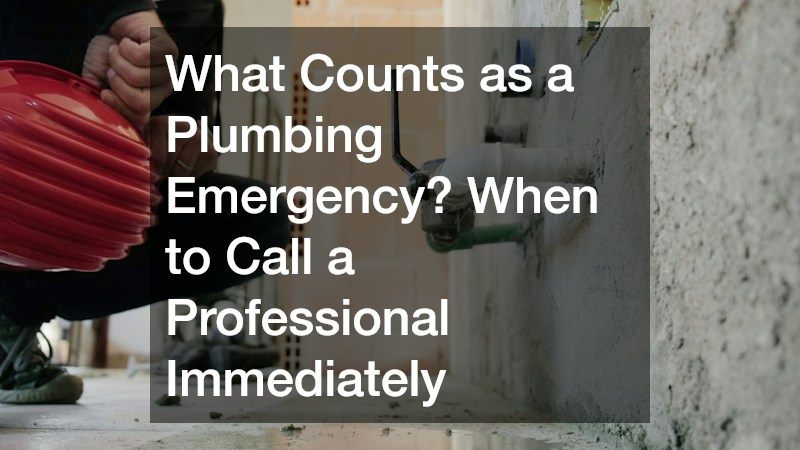
Plumbing issues can disrupt your daily routine, but not every dripping faucet or slow-draining sink requires an immediate, middle-of-the-night emergency response. Understanding what distinguishes a minor nuisance from a full-blown plumbing emergency can save you from catastrophic property damage, exorbitant repair costs, and safety hazards. A true emergency typically involves uncontrollable water flow, structural threats to your home, or severe health risks caused by contaminated water systems.
When facing an unexpected plumbing disaster, acting quickly is critical to limiting the damage. Knowing when to handle a problem during regular business hours versus calling an expert immediately helps protect your home and your budget.
Delaying critical plumbing repairs when a major disaster occurs can cause structural damage to floors, subflooring, and drywall, while also encouraging dangerous mold growth behind walls.
Handling Burst Pipes and Active Water Leaks
A burst or severed pipe is one of the most urgent emergencies a homeowner can experience. Whether caused by freezing winter temperatures, age-related corrosion, or excessive water pressure, a ruptured pipe can discharge dozens of gallons of water into your home within minutes. This rapid flooding destroys flooring, ruins electrical wiring, and severely compromises drywall and structural framing.
If a pipe bursts, your immediate step must be to locate and turn off your home’s main water shutoff valve. Once the water supply is cut off to halt the flooding, you should call a licensed plumber right away. Even after the main valve is closed, standing water and saturated materials must be addressed promptly. Emergency plumbing repairs are necessary in these scenarios to restore water access safely and locate hidden structural fractures along the piping network before turning the water supply back on.
Managing Sewer Line Backups and Wastewater Hazards
Few household events are as unpleasant or hazardous as a main sewer line backup. When wastewater backs up through floor drains, toilets, or bathtubs, it brings harmful bacteria, pathogens, and foul odors directly into your living space. This problem often stems from severe tree root intrusion, collapsed sewer lines, or heavy blockages deep within the municipal connection.
Sewer backups pose immediate health risks and should never be treated as a DIY job. Avoid flushing toilets or running faucets, as adding more water to the system will only force additional sewage back into your home. A professional plumber equipped with specialized drain cameras and hydro-jetting equipment is required to clear the blockage safely and identify permanent structural solutions. Leaving raw sewage unaddressed, even for a few hours, creates a biohazard environment that requires costly professional remediation.
Resolving Total Water Supply Loss and System Failures
Waking up to find zero water coming from any faucet in your home indicates a widespread system failure. Assuming there isn’t an active municipal water main outage in your neighborhood, a sudden loss of water pressure or flow often points to a frozen main supply line, a massive hidden leak underneath your foundation, or a failed pressure regulator. Living without running water makes basic sanitation, cooking, and hygiene impossible, qualifying it as an immediate repair emergency.
Similarly, a completely failed water heater can constitute an urgent situation—especially if the tank itself is actively leaking. A leaking water heater tank cannot be patched; it typically indicates internal corrosion that could cause the entire vessel to rupture. If you notice pooling water beneath your tank or hear loud rumbling and clanging noises accompanied by a total loss of hot water, shut off the gas or electrical supply to the unit and call an expert immediately to prevent extensive room flooding.
Addressing Gas Line Leaks and Immediate Safety Risks
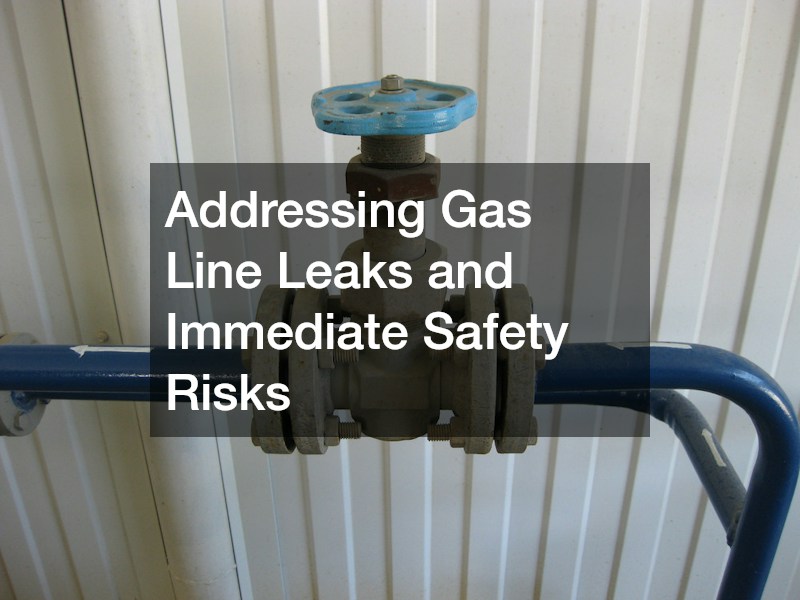
If your home relies on natural gas for water heating, cooking, or central heating, your plumbing system includes gas supply lines. A gas leak is a life-threatening emergency that demands immediate action. The most common sign of a natural gas leak is the distinct, sulfurous smell of rotten eggs, often accompanied by a whistling or hissing sound near gas appliances or supply valves.
If you suspect a gas leak, do not attempt to locate the source yourself, and do not flip any electrical switches or light matches. Evacuate all household members and pets from the home immediately and call your local gas utility provider or emergency services from a safe distance outside. Once the area is cleared of immediate danger, professional plumbers certified in gas line work must be brought in to locate the leak, replace damaged piping, and safely pressure-test the system before gas service can be restored.
Taking Quick Action to Prevent Property Damage
Distinguishing between minor plumbing inconveniences and high-risk emergencies empowers you to make smart, cost-effective decisions for your home. While a slow drip under the kitchen sink can wait until Monday morning, active flooding, sewer backups, total water loss, and gas smells require immediate professional intervention. Keeping the phone number of a reliable emergency plumber on hand and knowing where your main water shutoff valve is located ensures you are prepared to act fast when disaster strikes, minimizing damage and restoring safety to your home as quickly as possible.