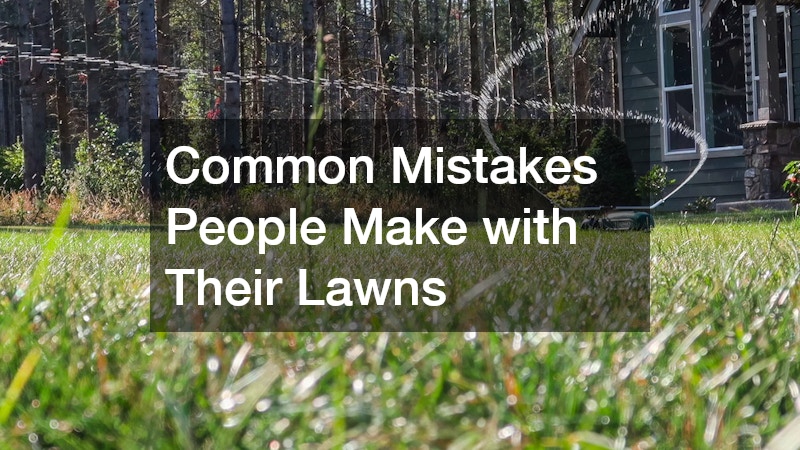
A healthy, green lawn adds beauty, comfort, and value to a home, yet many homeowners struggle to achieve consistent results. Lawn care often seems straightforward, but small missteps can lead to thinning grass, weeds, or unsightly patches that are difficult to correct. This article explores the prevalent mistakes homeowners make in lawn care and how to avoid them for a lush, healthy yard.
Why does my lawn have bald spots?
Bald spots are one of the most frustrating lawn problems and often signal underlying issues that need attention.
Overwatering or Underwatering
Watering mistakes are a leading cause of patchy lawns. Overwatering can suffocate grass roots by limiting oxygen in the soil, while underwatering stresses the grass and causes it to thin out or die.
Lawns generally benefit from deep, infrequent watering rather than daily shallow watering. This approach encourages deeper root growth and improves drought resistance. Adjusting watering schedules based on rainfall, season, and grass type helps maintain the right balance and reduces the risk of bald spots.
Soil Compaction
Compacted soil restricts root growth and prevents water, air, and nutrients from reaching the grass. This often occurs in high traffic areas such as walkways, play areas, or spots where equipment is frequently used. When soil becomes too dense, grass struggles to establish strong roots, leading to thinning and bare patches. Recognizing compacted areas early allows homeowners to take corrective steps before the damage spreads.
Pests and Diseases
Insects and lawn diseases can quietly destroy grass from below the surface. Grubs, chinch bugs, and other pests feed on roots and blades, causing grass to weaken and die. Fungal diseases may also appear during periods of excess moisture or poor airflow. Identifying the specific cause is important, as treatments vary depending on the pest or disease involved. Prompt action helps prevent small bald spots from becoming widespread problems.
How can I improve my lawn’s soil quality?
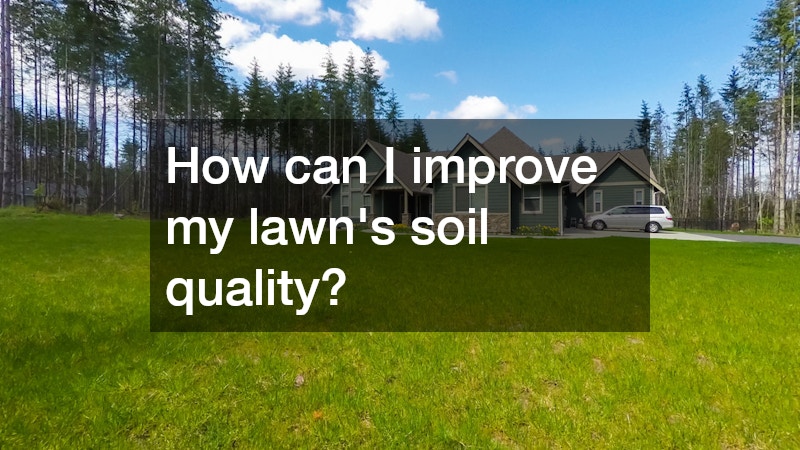
Healthy soil is the foundation of a thriving lawn. Improving soil conditions supports stronger roots and more resilient grass.
Soil Testing
A soil test provides valuable insight into nutrient levels and pH balance. Homeowners can use at home kits or work with local extension services to analyze their soil. The results reveal deficiencies or imbalances that may be limiting grass growth. Knowing exactly what your soil needs prevents over fertilization and allows for targeted improvements that benefit the lawn.
Aeration Techniques
Aeration relieves soil compaction by creating small holes that allow air, water, and nutrients to penetrate deeper into the ground. Core aeration, which removes small plugs of soil, is especially effective for compacted lawns. Spike aeration can also help in less severe cases. Regular aeration improves root development and encourages thicker, healthier grass over time.
Organic and Synthetic Amendments
Soil amendments enhance structure and fertility. Organic options such as compost improve soil texture, increase microbial activity, and boost nutrient retention. Synthetic amendments, including specific fertilizers or soil conditioners, can quickly address nutrient shortages. Choosing the right combination depends on soil test results and long term lawn goals. When applied correctly, amendments significantly improve soil quality and lawn performance.
What are the best practices for mowing my lawn?
Mowing may seem routine, but improper techniques can weaken grass and contribute to common lawn problems.
Correct Mowing Height
Each grass type has an ideal mowing height that supports healthy growth. Cutting grass too short exposes soil, increases stress, and makes lawns more vulnerable to weeds and disease. Maintaining the recommended height allows grass blades to shade the soil and retain moisture. Gradual trimming rather than aggressive cutting leads to better results.
Sharp and Clean Blades
Dull mower blades tear grass instead of cutting it cleanly. This creates jagged edges that lose moisture and are more prone to disease. Keeping blades sharp and clean ensures precise cuts that promote faster recovery and healthier growth. Regular blade maintenance is a simple step that makes a noticeable difference.
Mowing Frequency
Mowing too infrequently removes too much grass at once, while mowing too often can stress the lawn. A good rule is to never remove more than one third of the grass height in a single mow. Consistent schedules, whether handling lawn care yourself or using residential lawn mowing services, help maintain even growth and a polished appearance.
Many lawn problems stem from avoidable mistakes related to watering, soil care, and mowing habits. Bald spots often result from improper watering, compacted soil, or unnoticed pests. Improving soil quality through testing, aeration, and amendments creates a stronger foundation for grass to thrive. Proper mowing techniques further protect the lawn from stress and damage.